Advanced Leak Detection: Guard Your Home Against Hidden Water Damage
Reliable leak detection is fundamentally important in preserving the structural soundness of a home. Hidden water damage can result in significant repair costs and health hazards. Many homeowners tend to miss early warning indicators, including mysterious stains or damp smells. By identifying these signals and applying sophisticated detection strategies, they can preserve their property's condition. Despite this, numerous residents remain unfamiliar with the most reliable tools and approaches currently available. What steps can be taken to guarantee a home stays safe from these silent threats?
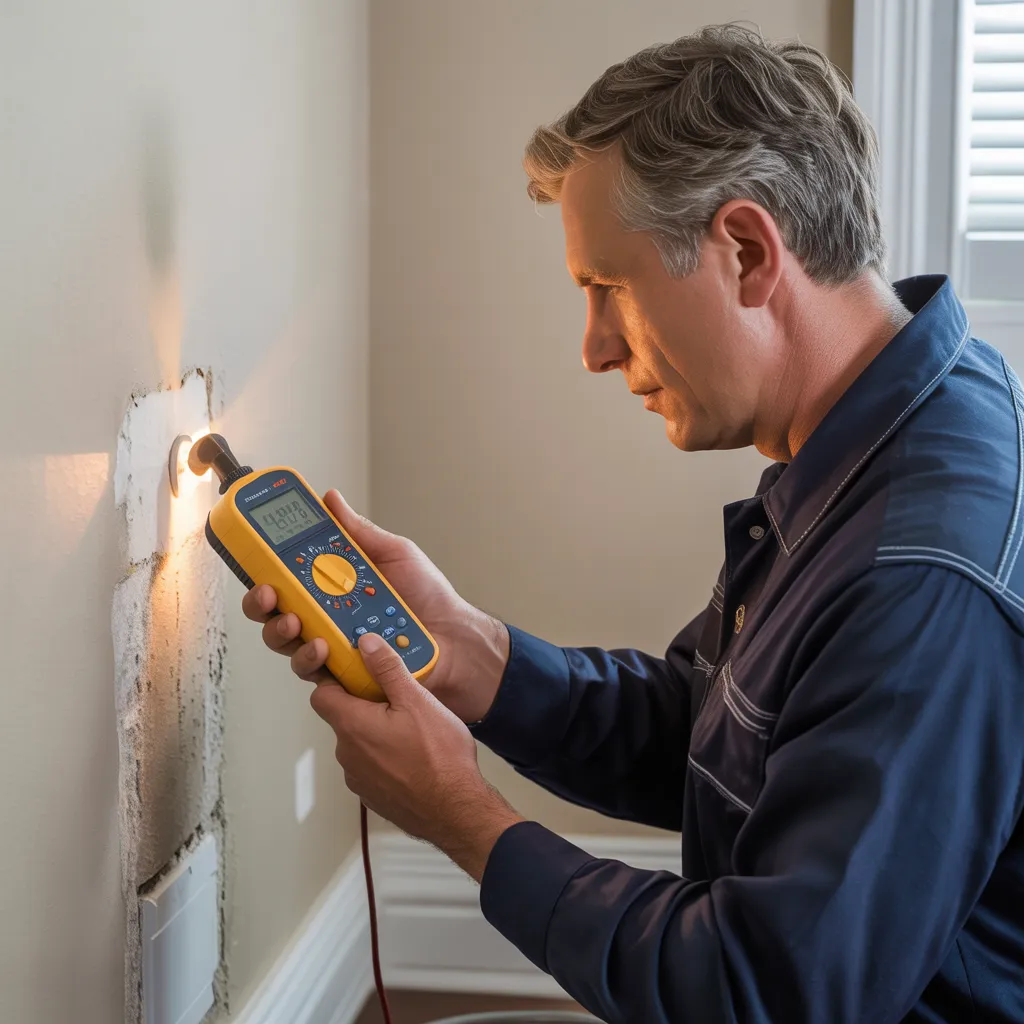
Why You Should Prioritize Leak Detection
Why is leak detection so important for homeowners? Homeowners must recognize that undetected leaks can result in significant structural damage and costly repairs. Water penetration can weaken the integrity of walls, foundations, and electrical systems, resulting in unsafe living conditions. Additionally, prolonged moisture can foster mold growth, which poses health risks to occupants.
Investing in proactive leak detection secures the home and simultaneously boosts property value. By identifying leaks early on, homeowners are able to reduce potential damage, thus preventing the costly expenses tied to major repairs. Routine inspections paired with cutting-edge detection technologies can reveal concealed problems that might otherwise remain hidden. Ultimately, prioritizing leak detection guarantees the longevity of the home and contributes to a safer, healthier living environment. By being vigilant, homeowners can protect their investment and maintain peace of mind.
Important Warning Signs of Water Leaks You Should Know
While water leaks might begin as minor issues, their indicators can grow more obvious if ignored. Homeowners should be vigilant for several common indicators of water leaks. A common indicator includes water stains appearing on ceilings or walls, that often present as yellowish or brown discoloration. Moreover, damp or stained areas on the floor can point to underlying moisture problems beneath.
Another red flag is the presence of dripping or running water sounds when all fixtures are turned off. A dramatic spike in the water utility bill, with no clear explanation, can also signal concealed leaks. Mold and mildew development in spaces such as bathrooms or basements is another critical sign of chronic moisture concerns. Lastly, buckling or warped floors may indicate prolonged water exposure. By identifying these warning signs promptly, homeowners can take proactive measures to prevent significant damage and costly repairs.
Essential Methods for Effective Leak Detection
Recognizing water leaks early is vital for keeping a home in good condition and preventing extensive damage. Various methods are available for effective leak detection, catering to different situations and preferences. Visual assessments frequently act as the initial protective measure; residents can look for clear indicators such as water marks or mold development. Infrared thermography is another method that employs thermal imaging to identify temperature variations, revealing concealed leaks inside walls or ceilings.
Acoustic leak detection employs sound waves to locate leaks, rendering it highly effective for hidden or underground pipes. Pressure testing entails monitoring the pressure within plumbing systems to recognize anomalies that suggest potential leaks. Moreover, moisture meters can measure dampness in materials, delivering quantitative data on potential leak sources. All of these approaches present unique benefits, enabling homeowners to choose the most suitable approach for their specific needs and supporting preventative action against water damage.
Picking the Best Leak Detection Tools for Your Home
How do homeowners make certain they possess the correct equipment for successful leak detection? Selecting appropriate tools is essential for identifying hidden leaks before they cause significant damage. Essential equipment consists of moisture meters, which evaluate humidity levels in walls and floors, aiding in locating damp zones. Thermal imaging cameras are equally useful, as they identify temperature differences, suggesting possible leaks beneath surfaces.
In addition, ultrasonic leak detectors can pick up on the audio signal of water leaking from pipes. For those who prefer non-electronic solutions, standard dye assessments are practical for checking toilet plumbing leaks. Homeowners should also consider investing in automated leak detection solutions that provide live updates through smartphone applications. In the end, knowing the individual characteristics of their home and the range of potential water issues will direct homeowners in selecting the most effective detection solutions, guaranteeing they remain equipped to protect against water damage.
Implementing Preventative Measures Against Water Damage
Installing water-resistant materials in basements, kitchens, and bathrooms can significantly lower the risk of damage. Homeowners should also consider using moisture detectors, which can alert them to leaks early on. Thoughtful landscaping, such as sloping the ground away from the house, can effectively redirect water away from foundations. Above all, regulating indoor humidity levels can inhibit mold growth, which is commonly a result of unaddressed water issues. By adopting these proactive strategies, homeowners can substantially decrease the risk of costly water damage.
When Should You Call a Pro for Leak Detection?
When should homeowners consider calling a professional for leak detection? Residents should think about contacting a specialist when they detect ongoing moisture spots, sudden and unexplained rises in their water bills, or a musty odor that lingers despite cleaning efforts. Moreover, should water stains begin to form on ceilings or walls, this could be a sign of a concealed leak that demands specialized diagnostic equipment. Professionals possess the expertise and equipment, such as thermal imaging cameras and moisture meters, to identify the source of the problem accurately.
Moreover, when a homeowner's DIY attempts have proven ineffective, seeking professional guidance is highly advisable to minimize the risk of worsening conditions. Houses equipped with older pipe systems or that have seen recent renovation activity carry a greater susceptibility to plumbing leaks, making professional evaluation advisable. In the end, prompt action taken by a qualified leak detection expert prevents homeowners from facing major repair bills and severe water damage in the future.
Commonly Asked Questions
What Is the Recommended Frequency for Checking Leaks in My Home?
Homeowners should check for leaks no less than twice annually, particularly around seasonal shifts. Regular inspections help identify potential issues early, limiting the extent of damage and associated expenses linked to concealed water leaks across the home.
Do Appliances Like Dishwashers or Refrigerators Have the Potential to Leak?
Indeed, leaks may develop in appliances such as dishwashers and refrigerators. Over time, seals associated article may wear out or hoses may sustain damage, causing potential water-related issues if not consistently monitored and maintained.
What Are the Lasting Consequences of Undetected Water Leaks?
Undiscovered water leaks are capable of causing significant structural damage, mold growth, rising utility bills, and health concerns. As time passes, these issues can worsen, leading to expensive repairs and a potential decrease in property value.
Do Certain Seasons Make Leaks More Likely to Occur?
Leaks tend to occur more frequently in winter, because dropping temperatures lead to pipes bursting, and in spring, when thawing snow combined with intense rainfall may exceed drainage capacity. Awareness of these seasonal patterns aids in preventive measures.
How Can I Determine if My Water Meter Is Detecting a Leak?
To check whether a water meter is showing a leak, the meter reading should be noted before and after a period of water inactivity. Any variation in the reading indicates a potential leak within the system.
Comments on “Affordable Leak Detection Services for Preventive Maintenance”